
Starting a Lima Residents Search
What you already know shapes a Lima residents search. An address opens the Allen County parcel map. A full name tests current voter registration through the county. A case number points to court material. Older households belong with the Lima Public Library or the Allen County Museum. Keep the year beside every result. Each source describes a different connection, so a parcel owner, a recorded deed party, and a voter result stay three separate facts until something independent ties them together.
Write down what the first source returns. Capture the exact spelling, date, address, and parcel number. Then test it with another source. A property record names a parcel interest and a mailing field, while a directory entry puts a printed name at an address for its publication year. Neither promises a full roster for that address. One source alone is never proof, and cross-checking is what turns a lone hit into a resident lookup worth trusting.
- Enter a physical address in the county GIS and save the parcel number, situs address, and legal-description text.
- Use the parcel and legal description to seek a recorded document through the Recorder’s account route or counter.
- For a targeted current registration question, search Ohio Voter Lookup with first name, last name, and Allen County.
- For an earlier household, ask the Library for a dated directory, phone book, newspaper, or WPA inventory entry.
- When an online result is absent, request an existing record from the named custodian instead of assuming it does not exist.
Lima Offices Behind Resident Records
Lima is the Allen County seat, so the core counters sit close to home even when a search runs statewide. The Recorder keeps land instruments and plats. The Auditor's GIS shows current parcel context. The Clerk and the Probate Court hold different court and estate materials, and the Board of Elections runs local registration while the state voter tool handles a targeted lookup. Directory-era work belongs with the Library and the Museum. The split matters. Ohio's Public Records Act opens existing public records to residents; it does not force an office to build a new people list. Ask each custodian for what it actually keeps.
Allen County Recorder
301 N. Main St., Room 204
Lima, OH 45801
419-223-8517
Allen County Auditor GIS
County parcel, address, road, and district data
Weekly current downloads
419-223-8520
Lima Parcel Records by Address
The Allen County Public Access GIS starts a physical-address question. Its visible toolkit includes Find Address, Find Intersection, map browsing, target and reference controls, layers, and buffers. Measurement, coordinates, and oblique views round it out. The parcel service documents fields for parcel number, tax ID, legal-description lines, deed owner, owner and mailing names and addresses, house number, and street components. It also lists values, sale data, homestead, school, and tax district. That is a deep record set.
A situs address is the physical parcel location. A mailing address is where the tax roll sends correspondence. The two often differ. A published owner or homestead field gives useful property context. It does not establish every current occupant. Once a parcel is identified, the Lima street directory carries the full address-by-address workflow. Check the official parcel service field list before relying on a map label. Labels can lag.
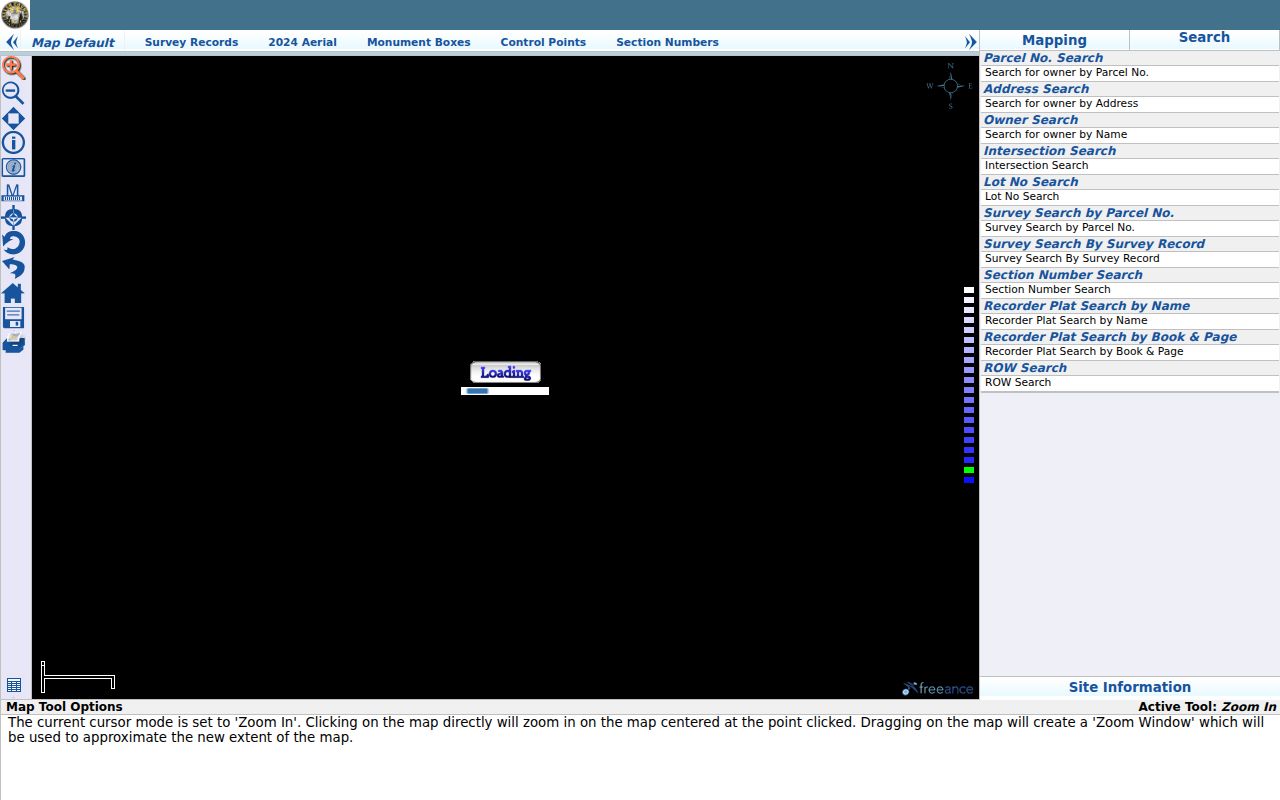
The map display is a live county layer. Downloads refresh weekly, but the viewer is no historic household timeline and no archive of recorded-document images.
| GIS control or field | Useful Lima question | Limit |
|---|---|---|
| Find Address | Which parcel matches a physical address? | Format guidance was not published. |
| Find Intersection | Where should a street search begin? | It does not identify a household. |
| PARCEL_NO and TAXID | Which identifiers connect map work to land records? | They are parcel identifiers, not person identifiers. |
| DEEDOWN and mailing fields | What property ownership or correspondence data is published? | Neither proves occupancy. |
Lima Deed Index Access
The Recorder's PAXWorld entry is an account-gated index route. Before login it offers only account creation, username and password recovery, and sign-in, while past the gate the search fields, image charges, export options, and online start year are not published. The Recorder posts clear warnings. Online material is not the authoritative record, sensitive information is masked, and some material stays office-only.
For a transfer or plat question, take the parcel number, legal description, approximate date, and every known party spelling straight to the counter. The office keeps deeds, mortgages, liens, powers of attorney, maps and plats, and a daily deed and mortgage register. Important documents are microfilmed. Plain copies run $2 per page. Certified copies add a $1 seal per page. The alpha plats index includes "Additions in and Adjoining Lima." That entry can bridge a subdivision name and its legal description. The Allen County Recorder is the authority. Counter alternatives live there too.
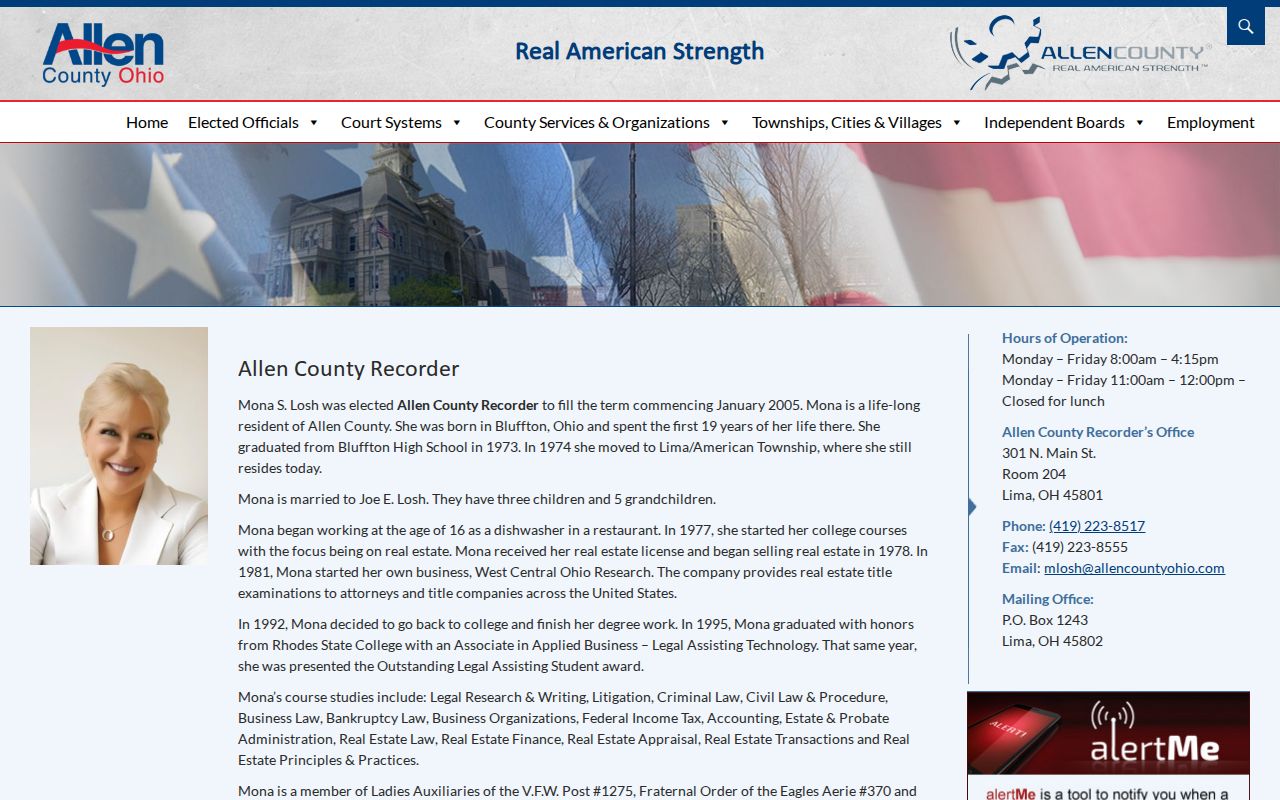
That two-stage habit, index lead then office document, keeps an incomplete web result from passing as a complete land history. Let the recorded document settle it.
Lima Court Records Need the Right Court
A court search starts with the right court. Lima Municipal Court handles traffic, criminal, and civil matters arising in Allen County, with search modes for case or citation, name, license, plate, and business name. The Allen County Clerk serves Common Pleas, Domestic Relations, and Third District appeals. Probate runs its own estate, marriage, guardianship, and historic-vital records. Ohio Supreme Court eCase covers Supreme Court matters from 1985 forward and nothing else. It is not a statewide Common Pleas index.
The Clerk's public-record process offers inspection, pickup, mail, and email choices for a specific file or docket, and Probate provides similar routes for its records. A non-result proves little. Sealed, expunged, juvenile, adoption, civil-commitment, and other protected material can stay unavailable, so give the custodian a case number or a precise time period whenever possible. Precision speeds the request. Confirm scope through the official Lima Municipal Court page.
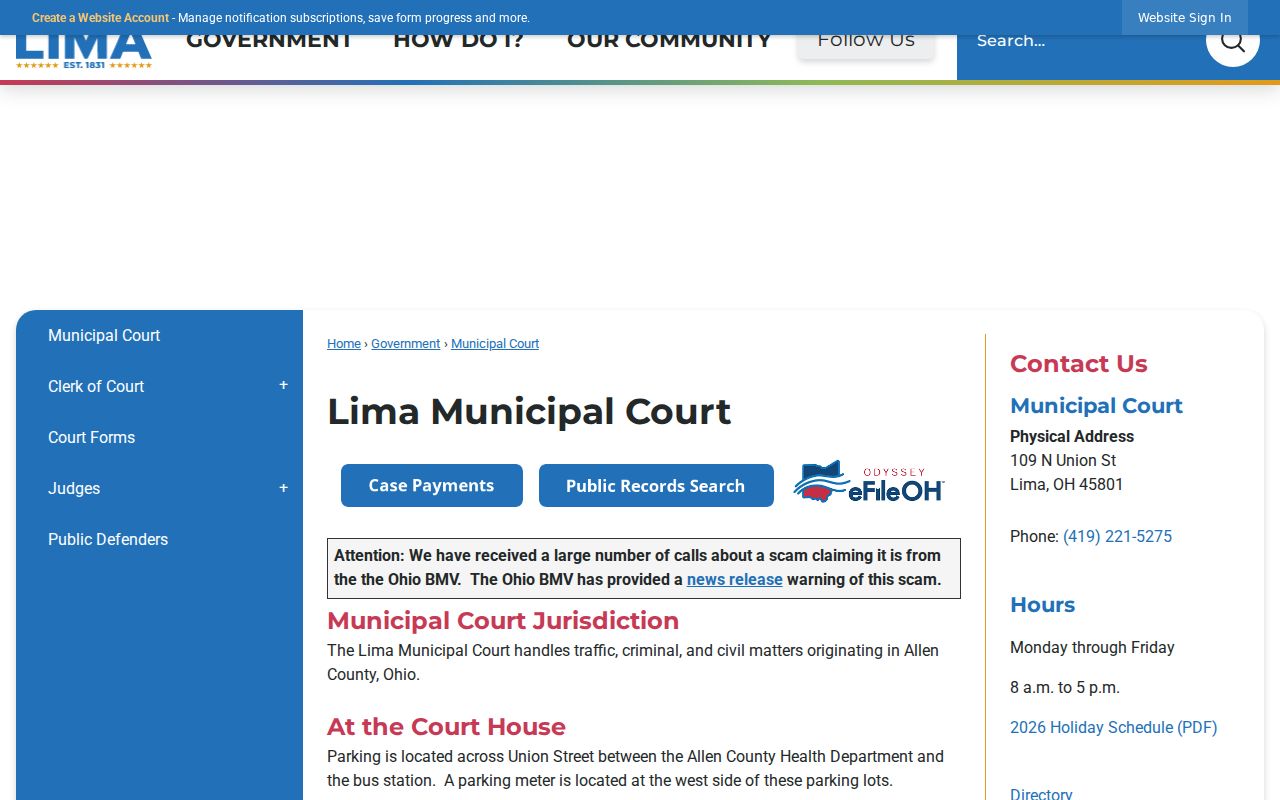
Matching the right court to the record type beats running one name through a system that lacks jurisdiction over the case.
Lima Voter Lookup Is Targeted
Ohio Voter Lookup answers one narrow question. It verifies a single registration. It asks for a first name, a last name, and a county, so a Lima search means selecting Allen. A result can carry registration details, a precinct, and polling-place context. The page itself suggests trying former names or spelling variants. It then advises using address context to separate people who share a name. It is not a street-wide roster tool.
The Ohio Data Act voter portal is a separate channel for dated files. It serves daily county-board snapshots under the Public Records Act. It offers date and county selection, a seven-day limit per query, at least 22 months of retained snapshots, and a custom package route that requires email. Its screen did not offer a full field dictionary. Keep the two tools distinct. One verifies a targeted registration result. The other is a file-access system organized by date.
The official Ohio Voter Lookup shows the required lookup path.
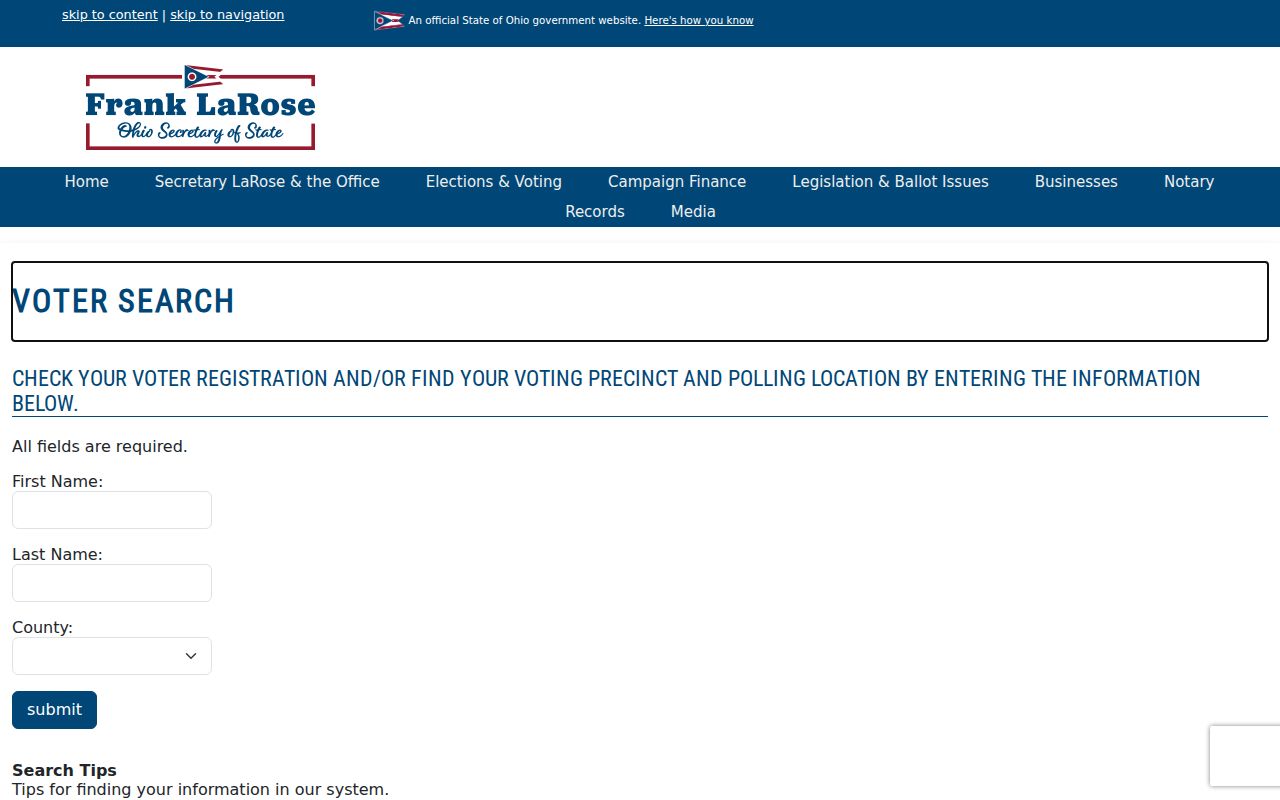
A registration result still sits under address-confidentiality protections, and the residents directory treats it accordingly. Read it only for the purpose the state tool supports.
Current Lima Resident Source Choices
No single official roll lists everyone in Lima. That surprise shapes every resident lookup here. Current sources instead record a narrower tie to property, registration, a court matter, or a credential. The most useful choice depends on the question. A county GIS result supplies parcel context, while the voter tool checks one registration. The Recorder documents parties to land instruments. A court portal leads to a case held by a specific court. The City's online directory lists departments and staff contacts, not residents. It works as a street directory only in a limited sense.
| Source | What it can show | Custodian | Access route |
|---|---|---|---|
| Allen County GIS | Current parcel, situs, owner and mailing fields | Auditor/GIS | Public map and weekly downloads |
| Ohio Voter Lookup | Targeted registration, precinct, polling place | Ohio election system | First name, last name, Allen County |
| Recorder documents | Recorded parties, legal descriptions, instruments | Allen County Recorder | PAXWorld account or counter |
| Court records | Case-specific material | Municipal Court, Clerk, Probate, or other court | Correct portal or record request |
| Library and Museum collections | Dated directory, newspaper, map, or archival lead | Lima Public Library and Allen County Museum | On-site or focused research inquiry |
Lima Official Records Versus Commercial Searches
Official sources tell a reader who keeps the record and what field was actually published. They also show what request route remains when an index stops. They are often free to inspect. But they can be narrow, account-gated, or incomplete online. Commercial people-search tools may blend data from many places. Yet their update dates, source choices, and match logic never substitute for a custodian's document in the Lima residents directory.
For family history, a property question, an heir matter, or a worry about a deed notice, use an official field or document. That is the point of verification. Keep a link, a record date, and an identifier. That simple habit makes it possible to correct a mistaken name match. It stops the error from repeating across the city directory.
Lima Vital Records by Date
Dates decide where a Lima vital record lives. Allen County Public Health Vital Statistics issues Ohio birth certificates and Allen County death certificates. Probate, meanwhile, keeps local birth and death records for 1867 through 1908. It also holds marriage records from 1831 to the present. The health office describes local birth and death access beginning in December 1908. A historical question may therefore start with Probate, the Library, or the Museum. Those offices often beat the modern certificate office for early records.
Ohio Revised Code §3705.23 requires a signed application and a fee for any certificate. It also shields a decedent's Social Security number for the first five years, except for qualified requesters. The code protects specified birth health information too. The local 2021 application showed $27 per copy. It directs users to recheck current charges before payment. Newspaper extracts and obituary indexes can develop a name or date lead. The certificate itself remains with the custodian of record.
Review Allen County Public Health Vital Statistics for the current birth and death route.
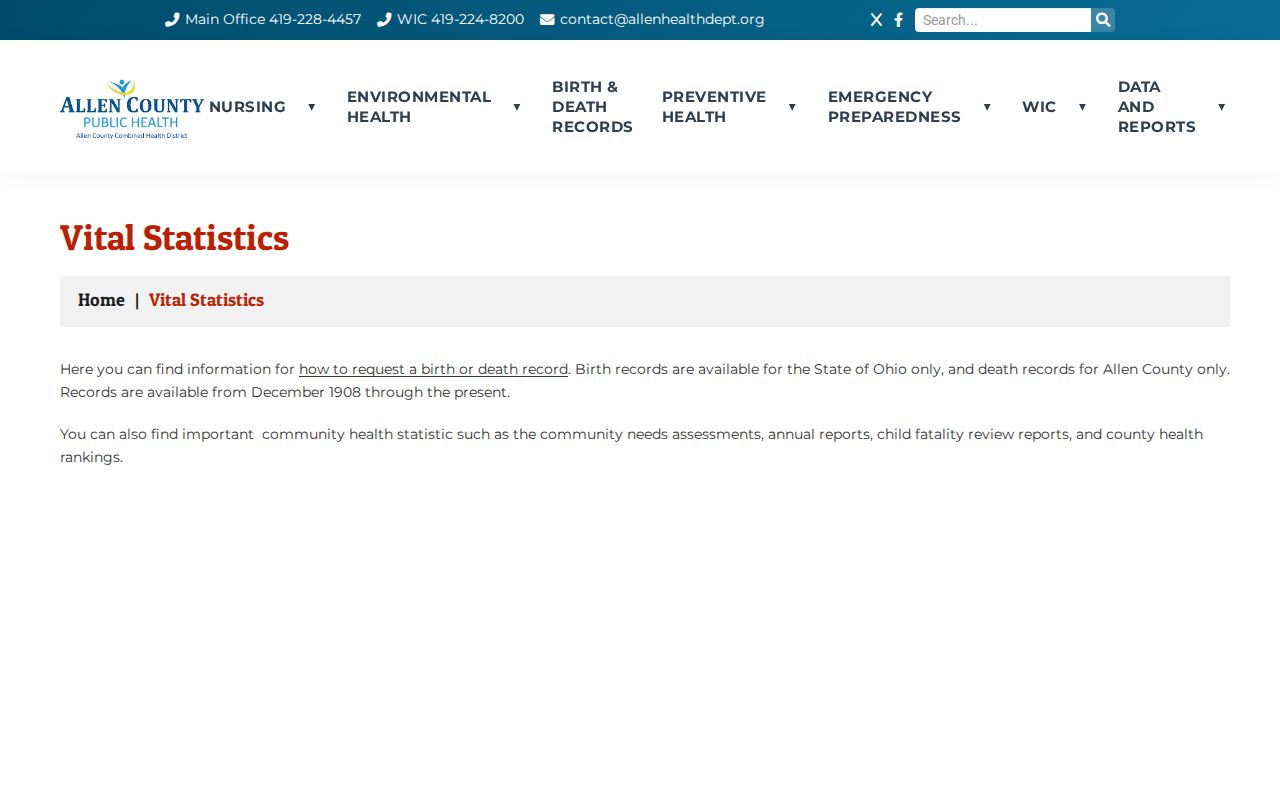
The distinct local and historical routes keep a pre-1909 Lima record request from landing at the wrong office.
Lima Requests When Online Access Stops
Online access is only one channel in this records directory. The Recorder provides an office, a daily register, microfilm, and copy service. The Clerk's policy and request form describe inspection, pickup, mail, and email choices. Probate's 2025 request form likewise offers inspection, pickup, mail, or email. The Library accepts focused local-history requests by mail or email. The Museum archivist takes research inquiries for its noncirculating holdings.
Ohio Public Records Act requests work best when they ask for an existing record. Name the document type, the case number, an address or parcel, and an approximate date. Ask for a cost estimate, and ask for the legal basis behind any withheld portion. The law speaks of "promptly" and a "reasonable period" rather than one universal deadline. It never forces an office to build a database. It also never forces an office to decide whether a name match is the right person.
Lima Privacy Boundaries in Records
Ohio Safe at Home protects qualifying participants' address and property-address links. Protection begins after notice to designated county offices. Voter handling carries additional confidential rules. A missing address can be the correct result of a protection. That result is not a puzzle. Do not try to solve it with other records. Court files can also be sealed, expunged, juvenile-protected, adoption-protected, or redacted. Motor-vehicle personal information is not an address-research fallback for any Lima resident lookup.
Use records lawfully. Public material may support personal research, family history, estate work, or civic questions. Do not use it to stalk, harass, threaten, intimidate, or reconstruct a protected address.
The Ohio Safe at Home law explains the address-confidentiality framework.
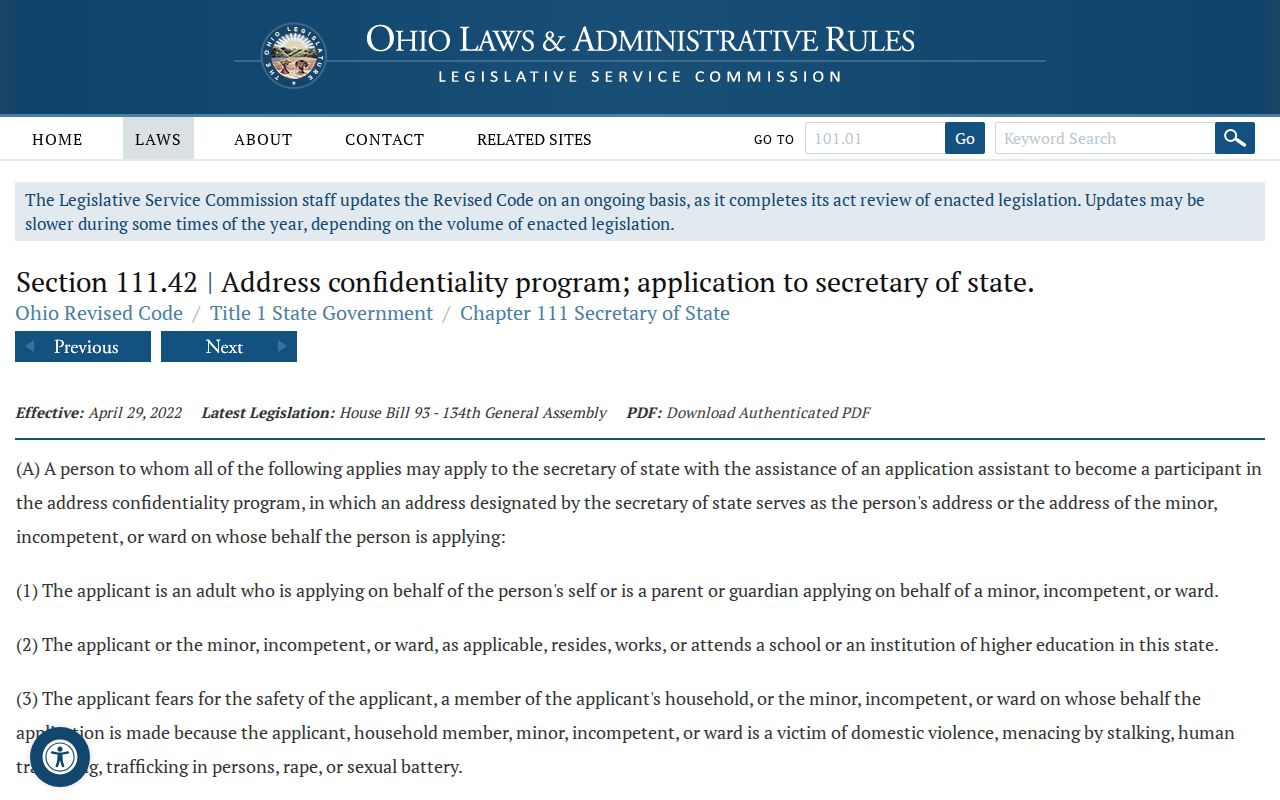
Respecting these limits is part of reading a record accurately. An intentionally protected field is not missing data to be filled in from another corner of the residents directory.
Lima Probate Trails and Estate Lists
Probate is a separate records route in Lima. The Allen County Probate Court handles marriages, estates, guardianships, and older local vital material. Marriage records date from 1831. Estate records date from 1835, and both series continue to the present. Local birth and death material covers 1867 through 1908. Guardianship computer indexing begins in 1970, and estate computer indexing in 1985. The ranges describe holdings, not web screens.
The decedents and estates page covers recent filings only. Its list begins January 1, 2013, and on March 1, 2025 new estate filings shifted to a Public Portal. A missing name does not rule out an older estate. To request an estate, marriage record, or case, provide the person's spelling, the record type, an approximate date, and a delivery choice. Adoption and civil-commitment material remains generally nonpublic.
The official Allen County Probate records page describes the Court's distinct jurisdiction and its older-record ranges.
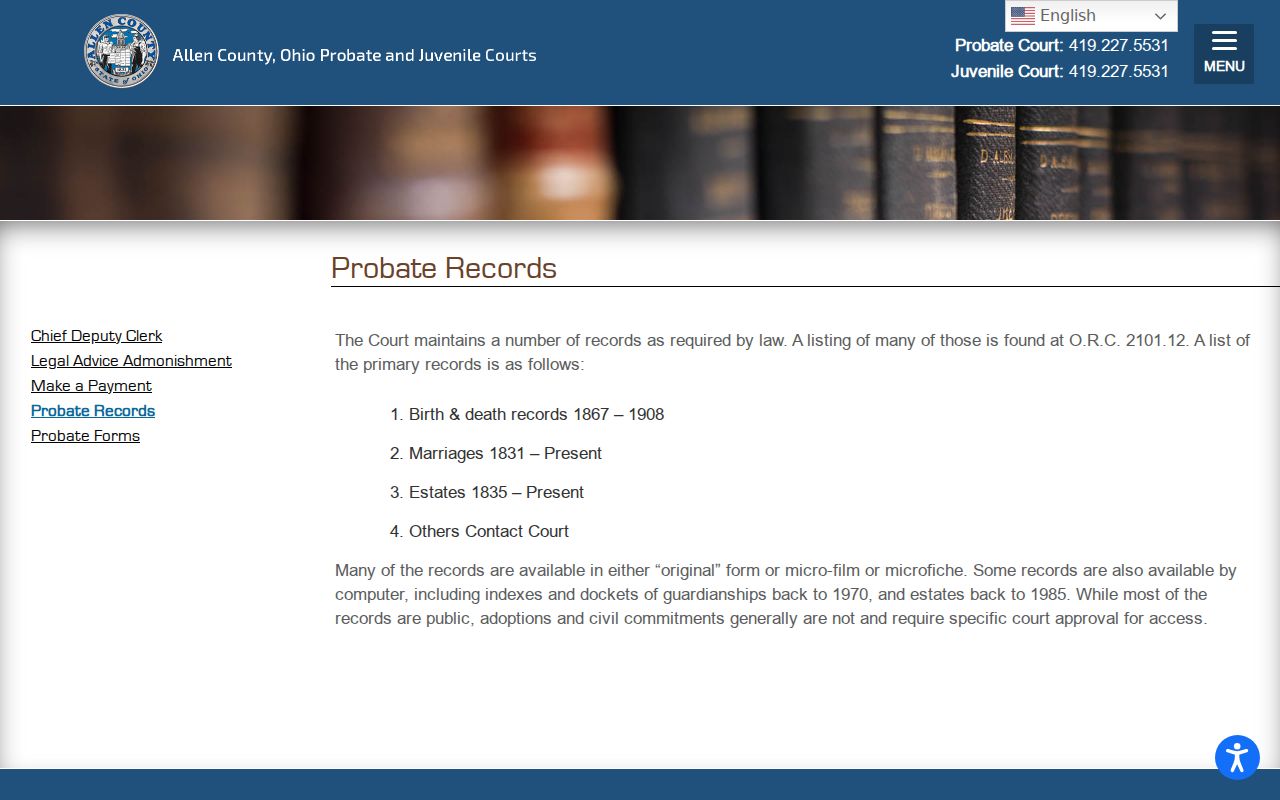
Older records reach far past the online estate list.
Historical Lima Resident Directories
The Lima Public Library holds a deep paper trail. Its genealogy shelves cover city directories, phone books, newspapers, yearbooks, census material, Sanborn resources, and genealogy databases. No title-by-year shelf list appears online. Ask staff for the target year, title, publisher, page, and abbreviation key, and lean on the Library's research service when a dated volume is not searchable from home.
The historical stack goes past printed directories. The catalog names a 1936 WPA Real Property Inventory, City of Lima, along with original land-entry work and rural directory material. The Library of Congress holds Lima Sanborn maps. Dates include 1887, 1893, and 1899. The Allen County Museum adds Lima newspaper vital-statistic extracts for 1842 through 1880 plus naturalization materials. Each item stays tied to its own date. The Lima Public Library genealogy resources page describes the locally available research channels.
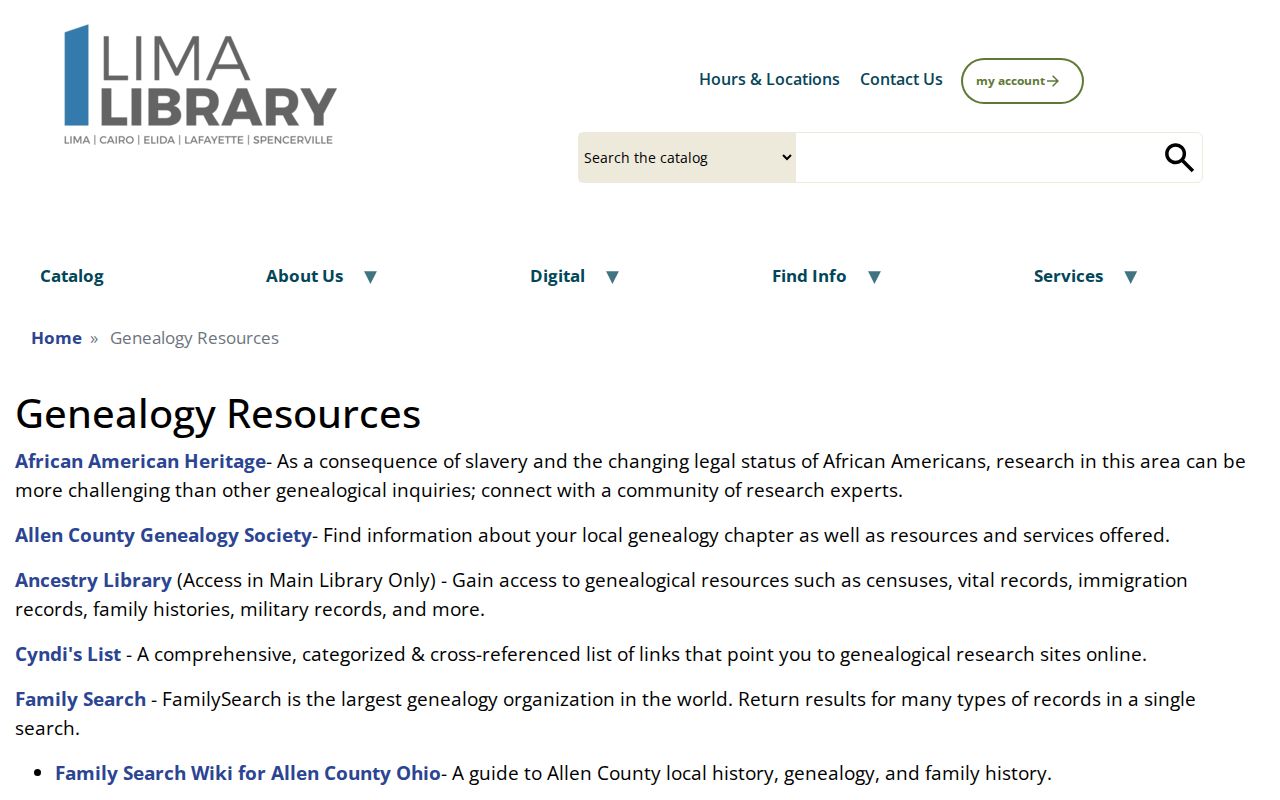
A dated directory frames an earlier household. A deed, probate file, or certificate supplies the formal record that question actually needs.
- Parcel
- A mapped unit of land with county identifiers and boundaries; it is not a list of all people at the address.
- Index
- A finding tool that points to a record or item. It may omit images, older years, or protected material.
- Criss-cross directory
- An address-arranged directory, when a collection actually has one, used to check an address in a stated year.
- Roll
- A list maintained for a specific administrative purpose, such as registration or property taxation, not a complete community census.